Rust solo survival, how one player outplays zergs, defends a base and takes a revenge raid
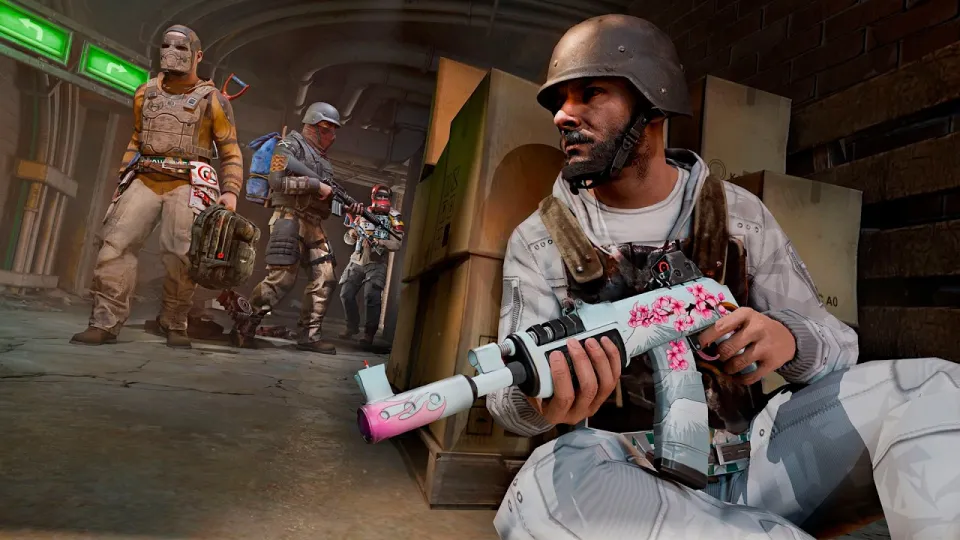
Video: THE SOLO MENACE – Rust
Want articles like this for your own video to promote it on YouTube and Google? Order them through the Telegram bot @sat_sit_bot. It writes articles around your video, embeds the video and publishes them on popular niche websites (no ads). Try it free: 50 articles on us.
· based on the channel SPiiCY
Rust solo play is about surviving and progressing on a server full of groups: you farm alone, build a base that punishes raiders, and turn a lost fight into a revenge raid instead of quitting the wipe. Because you have no teammates to cover doors, share loot or scout for you, every decision — base location, raid timing, when to fight and when to run — has to be made with the assumption that the next group you meet will outnumber you. Creators who main solo, like SPiiCY, build their whole wipe around that reality, and the practical side of it starts with the tools and resources they use, such as the RustEasy bonus and site access that supports the run.
What solo Rust actually demands from a player
Solo Rust is a progression discipline, not a PvP highlight reel. On a high-population server you are never the strongest party in any fight, so the solo advantage comes from information and preparation: knowing which monuments are contested, which roads are quiet at a given hour, and how much sulfur you need before a raid is even worth attempting. A solo wipe usually follows a predictable order:
- Secure a starter base away from the busiest spawn routes and keep it small enough to be cheap to rebuild.
- Farm scrap for blueprints before the server's groups finish their tech tree, because that window closes fast.
- Upgrade to stone and then metal on the loot rooms only; spreading resources across a large base is how solos lose everything at once.
- Stockpile explosives in small batches so a single failed raid does not end the wipe.
- Keep a secondary stash or a hidden backup base for tools, guns and components.
A solo player who skips step five is one raid away from starting over, which is why experienced solo players treat backup loot as part of the build rather than an afterthought.
Why high-pop servers feel empty and how to find fights
A 600-player server can still feel deserted because most players are inside bases or moving in groups that avoid open sightlines. The solo answer is to roam deliberately: hit monuments at off-peak times, follow the sound of gunfire, and use the map's choke points instead of running the same roads everyone else uses. Groups move loudly and slowly; a solo can rotate faster, disengage at will and pick fights only when the enemy is already damaged or carrying loot. That is the entire basis of the "menace" style of solo play — constant pressure, short engagements, no fair fights.
Base design and trap bases as a solo defense
A solo base is a deterrent first and a fortress second. The goal is to make a raid cost more than the loot inside, so raiders move on to an easier target. Practical elements that solo builders rely on:
- Trap rooms and fake loot rooms that punish a raider who rushes the first door they see.
- Shallow loot rooms placed early in the raid path so attackers spend explosives on low-value targets.
- Multiple entrances and drop-downs so the owner can move inside the base without opening the main route.
- Decoy bases nearby that absorb attention and explosives.
Base design is one of the most requested topics from viewers of solo gameplay, because a good layout effectively doubles a solo player's fighting strength without adding a single teammate.
Revenge raids: turning a loss into profit
A revenge raid is the solo player's answer to being raided: instead of rebuilding quietly, you identify who hit you, find where they live, and take their loot while they are still hauling yours home. It works because raiders are at their most vulnerable right after a successful raid — doors are open, loot is being sorted, and the group is often spread out. The preparation is what matters: keep a stash of explosives and a spare kit away from the main base, note the direction and timing of attacks, and scout the attacker's base before committing. A failed revenge raid costs a solo player a full farming cycle, so the rule is simple — hit only when you have enough explosives to go through the loot rooms, not just the front door.
Performance and tools solo players actually use
FPS drops decide fights in Rust, especially during raids and large PvP encounters where smoke, fire and dozens of players are on screen. Solo players cannot afford stutters, so configuration matters as much as aim. Creators commonly recommend tuning tools such as Hypertune for better FPS, and the practical checklist is straightforward:
- Lower shadow quality and draw distance before touching resolution.
- Cap the frame rate to a stable value rather than chasing peaks.
- Close background applications and browser tabs during raids.
- Test settings on a busy server, not an empty one.
A stable frame rate at 60–90 FPS beats an unstable 140 in almost every Rust fight, because consistency is what lets you hold a spray and read movement.
Common questions from solo players
Solo viewers tend to ask the same things: how to survive the first hours of a wipe when groups are farming the same monuments, whether a trap base is worth the extra stone, and how to keep progressing after losing a full kit. The short answers are: farm away from the busiest spawn routes early, build the trap base because it pays for itself the first time a raider dies in it, and always keep a backup stash so a lost kit costs time rather than the entire wipe. Server choice matters too — a 600-pop server offers more targets and more danger, while a quieter server lets a solo player farm explosives in peace.
All links from the video
- RustEasy bonus and site
- Base design tutorial and Patreon membership
- Hypertune FPS tool
- Patreon join page
- Discord community
Summary
Solo Rust rewards preparation over raw skill: a compact, trap-heavy base, a backup stash and a willingness to counter-raid are what let one player compete with groups on a high-pop server. The "menace" approach shown by SPiiCY in this solo breakdown is built on constant pressure, fast rotations and knowing when to walk away from a fight. Performance tools and a disciplined farming routine fill the gap that teammates would otherwise cover. If you want to push your own solo wipe further, start with the RustEasy bonus and site access and treat every raid against you as an invitation to a revenge raid.
Key takeaways
- Solo Rust means fighting groups (zergs) alone, so progression, base design and raid timing matter more than raw aim.
- High-pop servers (around 600 players) make early wipe the most dangerous phase for a solo player.
- A trap base and layered defenses are the standard solo answer to being outnumbered in raids.
- A revenge raid is a counter-raid launched after being raided, aimed at the attackers' loot rather than random targets.
- Tools like RustEasy and Hypertune are used by creators to speed up crafting and improve FPS in large fights.
Questions & answers
How does a solo player survive the first day of a Rust wipe against groups?
Farm away from the busiest spawn routes, build a small starter base with a cheap footprint, and spend scrap on blueprints before the server's groups finish their tech trees. Keep the base modest until you have enough resources to upgrade only the loot rooms, and always keep a hidden backup stash.
Is a trap base worth building in solo Rust?
Yes, because a solo base is a deterrent rather than a fortress. Trap rooms and fake loot rooms make a raid cost more explosives than the loot is worth, so most groups move on to an easier target. The extra stone and wood usually pay for themselves the first time a raider dies inside.
What is a revenge raid and when should a solo player attempt one?
A revenge raid is a counter-raid against whoever raided you, launched while they are still sorting loot and their doors are open. Attempt it only when you have enough explosives to reach the loot rooms, and keep a spare kit and explosives away from your main base so a failed attempt does not end your wipe.
Why do high-pop Rust servers feel empty, and how do you find fights?
Most players stay inside bases or move in groups that avoid open sightlines, so a 600-player server can seem quiet. Roam deliberately: hit monuments at off-peak hours, follow gunfire, and use map choke points. A solo player rotates faster than a group and can pick fights only when the odds are favourable.
Source: THE SOLO MENACE – Rust · Markdown version